
The Uighur Repatriation Crisis: A Struggle for Identity and Freedom
- Siam International News (Admin)

- Apr 17, 2025
- 4 min read
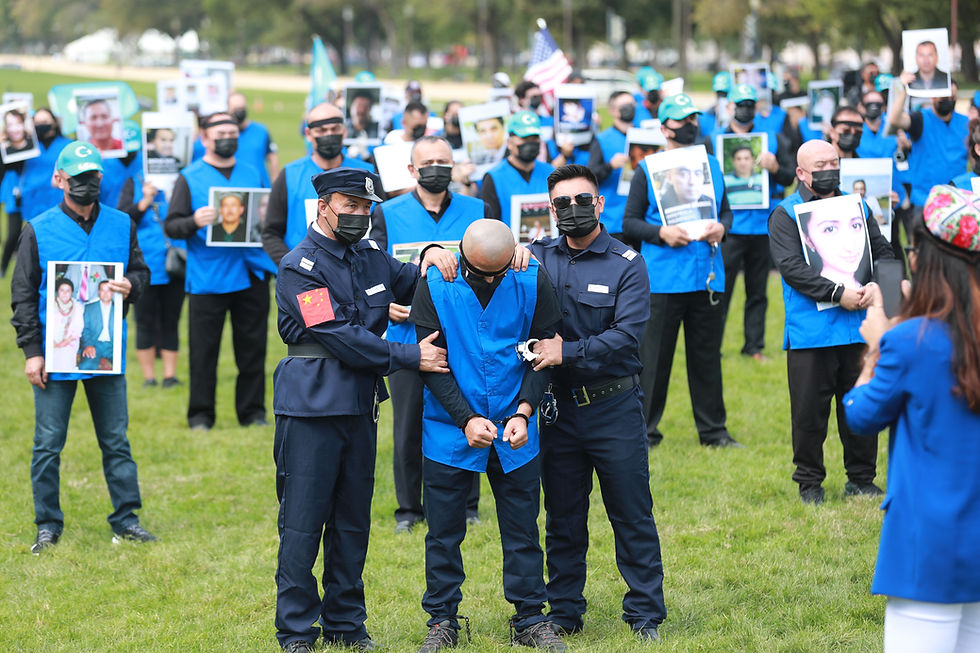
In recent years, the repatriation of Uighurs, a predominantly Muslim ethnic group from China's Xinjiang region, has become a topic of international concern. These individuals, often sent back to China from other countries, face a range of challenges that not only affect their lives but also raise important human rights and geopolitical questions. The actions and policies surrounding the return of Uighurs are complex, and their long-term consequences may reverberate across the world stage. This article will explore what happens when Uighurs are sent back to China, what the underlying issues are, and the potential impacts on international relations and human rights.
What Happens to Uighurs After Being Sent Back?
Uighurs who are sent back to China face an uncertain and often dangerous future. Many of them are subjected to forced detention in what human rights organizations call "re-education camps." These facilities, officially described by the Chinese government as "vocational education centers," are reportedly places where Uighurs are indoctrinated, forced to renounce their religion, and endure physical and mental abuse. While China insists that these camps are necessary for combating extremism, independent investigations and testimonies from former detainees paint a much darker picture.
For those sent back to their families, the situation remains tense. The Chinese government closely monitors Uighur communities, and returnees may face constant surveillance, restrictions on their freedom, and the threat of imprisonment for perceived political dissent. The stigma attached to being sent back from another country can also make reintegration difficult, as returnees may be labeled as "traitors" or "radicals" by the authorities.
International Concerns and Human Rights Violations
The forced return of Uighurs raises serious human rights concerns. International organizations, including the United Nations, human rights groups like Amnesty International, and several Western governments, have condemned China's treatment of Uighurs as a violation of international law. Many of these groups argue that the Uighur population is being subjected to cultural genocide, as their language, religion, and traditions are systematically suppressed.
Countries that have deported Uighurs back to China often find themselves caught in a difficult position. The question of whether such deportations constitute complicity in human rights violations is at the heart of global debates. Countries with asylum agreements with China may be under pressure to comply with deportation requests, but doing so exposes them to international criticism. On the other hand, refusing to send back Uighurs can strain diplomatic relations with China, a global superpower.
Geopolitical Implications
The issue of Uighur repatriation also has significant geopolitical ramifications. Countries in Central Asia, such as Kazakhstan and Kyrgyzstan, have been involved in repatriating Uighurs to China, often under pressure from Beijing. This dynamic has prompted concerns that these nations, while benefiting economically from their relationship with China, are sacrificing the rights of Uighurs to maintain their ties with the superpower.
In more distant regions, including Europe and North America, there is growing political tension as these countries respond to China's human rights record. Some governments have sanctioned Chinese officials accused of orchestrating the repression of Uighurs, while others have called for stronger international action. As global power struggles shift, the issue of Uighur repatriation is likely to become a point of contention in international diplomacy, impacting trade relations, security alliances, and multilateral cooperation.
The Impact on Uighur Diaspora Communities
The situation also has a profound effect on Uighur diaspora communities around the world. Many Uighurs who have fled China over the years seek asylum in countries such as Turkey, the United States, and Canada, fearing for their safety and the safety of their families back home. These communities often live in a state of uncertainty, with the constant fear of their relatives being deported back to China.
In many cases, the return of a Uighur family member can be devastating. It not only puts the individual at risk but also sends a ripple effect through the entire diaspora, creating a climate of fear. Moreover, the Uighur community’s efforts to raise awareness about their plight can be undermined by the threat of deportation, silencing their voices in the face of an oppressive regime.
The Road Ahead
The future of Uighur repatriation remains uncertain. International pressure on China to end its crackdown on the Uighur population has grown, but Beijing shows little sign of backing down. For Uighurs caught in this crisis, the path ahead is filled with challenges, from the threat of detention to the fear of losing their cultural identity.
As the situation evolves, the world will be watching closely. The repatriation of Uighurs is not just a matter of individual rights—it is a global issue that speaks to the broader questions of human dignity, international law, and the responsibilities of nations in upholding the rights of persecuted people. How the international community responds will determine the future of millions of Uighurs and shape the future of global human rights advocacy.
In conclusion, the forced return of Uighurs to China serves as a reminder of the complex interplay between national sovereignty, international law, and human rights. As the geopolitical landscape shifts, the fate of Uighurs will likely continue to be a significant point of contention, influencing global relations and raising important questions about the protection of vulnerable populations.


Comments